
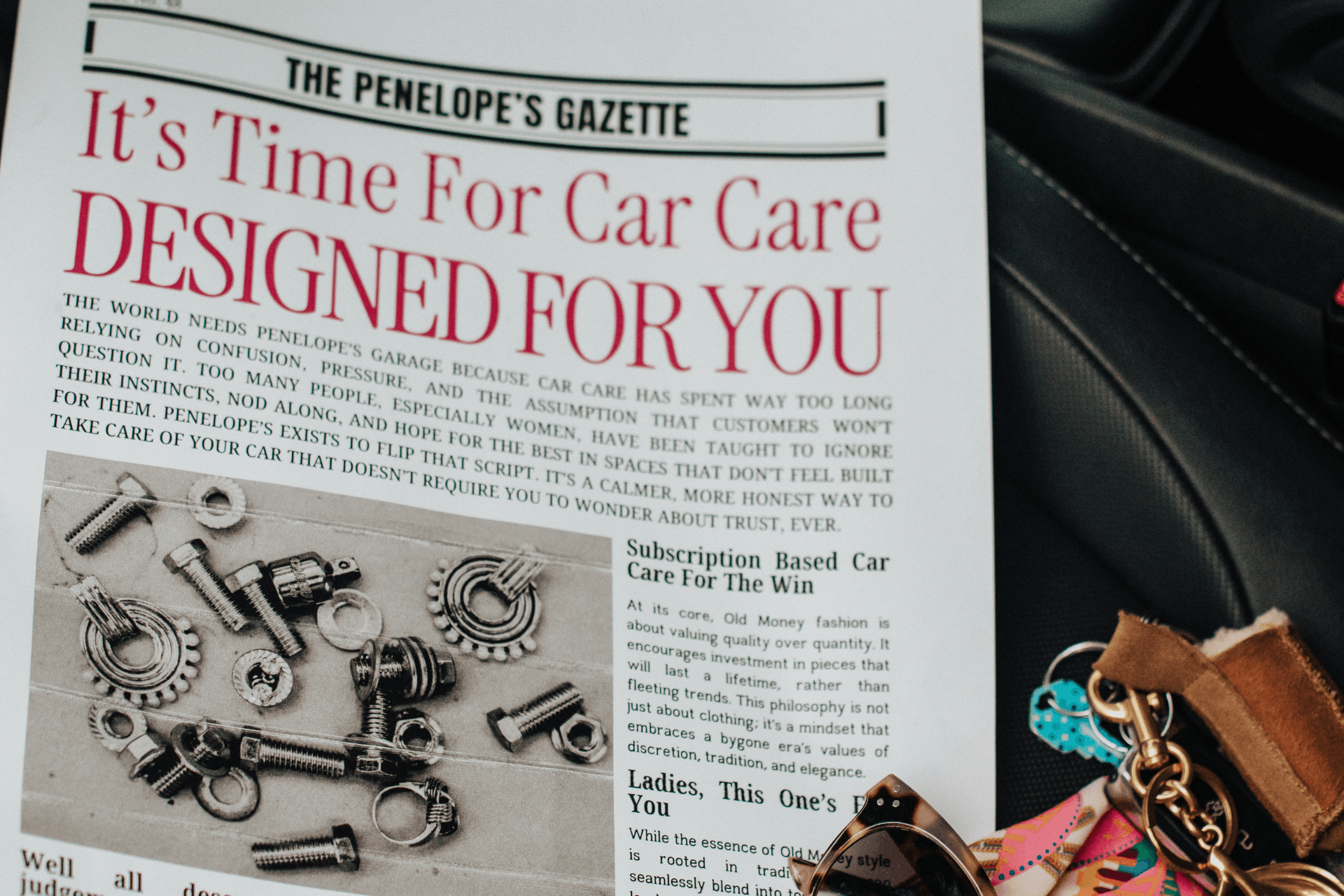
You drop your car off for a simple oil change. Thirty minutes later, someone appears with a serious expression and a clipboard of repairs that cost more than your last vacation.
Cue the internal panic and thoughts of “Wait, did I actually need all that? And why did that feel so weird?”
Finding an honest mechanic shouldn’t feel like detective work. So let’s talk about what honesty actually looks like in a repair shop, play a little game of green flag red flag, and figure out how to avoid the shops that treat your car like an invoice on wheels.
What Makes a Mechanic Honest and Trustworthy?
An honest mechanic explains what’s happening with your car in plain language and provides a clear estimate before any work begins. They answer questions without rushing you and help you understand what needs to be fixed now to keep you safe, and what can wait.
In other words, a mechanic you can trust makes things clearer instead of more confusing. Shouldn’t be that hard to find, right? Unfortunately, a lot of us go through a few disappointing shops before finding one that feels safe.
Why It’s So Hard to Find an Honest Mechanic
Most drivers don’t start searching for a trustworthy mechanic until something goes clunk. When that happens, stress is high and time is short. You need your car back, and the shop knows it. Suddenly, you’re making decisions fast, often without the full picture.
Plus, many repair shops run on incentive structures where bigger repairs mean bigger paychecks. When income depends on selling work, the line between helpful recommendations and upselling gets blurry, and trust goes out the window.
6 Green Flags That Signal an Honest Mechanic

If you’re wondering how to find a good mechanic, these green flags mean go.
#1: Clear Explanations in Plain Language
A good mechanic translates the problem into everyday terms. No cryptic jargon or fast-talking explanations that leave you wide-eyed. You should walk away understanding what’s happening with your car, not stress-Googling the words they used after the fact.
#2: Written Estimates Before Work Begins
An honest auto repair shop provides a written estimate before the work starts. That estimate breaks down labor, parts, and any diagnostic fees. There should be zero mystery math or surprise numbers appearing at checkout. Yes, ZERO.
#3: No Urgency Unless Safety Is Involved
When something truly affects safety, like brakes or steering, a mechanic will say so clearly. But if the repair isn’t urgent, they’ll tell you that too. A trustworthy mechanic doesn’t take advantage of your timeline and your budget. They respect it instead.
#4: Willingness to Show You the Issue
If possible, they’ll walk you over to the car and point things out. Seeing the issue, like a cracked belt or worn brake pads, turns confusion into clarity fast. It’s a lot easier to understand what’s happening when someone shows you instead of just listing it on a bill.
#5: Transparent Labor Rates
A mechanic you can trust gives you transparent car repair pricing. Labor rates should be easy to explain and easy to find. When a shop is upfront about how the bill is built, the whole experience feels more honest.
#6: Reviews That Mention Trust
Speed and price matter, but reviews that say things like “they explained everything” or “I never felt pressured” tell you much more about the shop’s character. Trust leaves a trail! Follow it.
Red Flags to Watch Out For at an Auto Repair Shop
If green flags feel calm and clear, red flags tend to feel rushed and murky. Keep an eye out for any of these trust-destroying methods.
Pressure Tactics
“You need this today.” Sometimes that’s true, but often it’s not. If every recommendation sounds urgent, that’s worth questioning. A good mechanic explains why something matters instead of leaning on panic to make a sale.
Vague Explanations
If you ask what a repair does and the answer feels foggy, that’s a problem. Clear shops explain, and sketchy ones deflect.
No Itemized Pricing
A single lump-sum price without a breakdown makes it hard to understand what you’re paying for. Honest shops break that down for you so you have a full picture.
Talking Down to Customers
If a mechanic sighs when you ask questions or speaks like you’re wasting their time, that tells you everything you need to know. Run, don’t walk. Respect should come standard.
Surprise Add-Ons
Nothing kills trust faster than picking up your car and hearing about extra work you never approved. That’s not service, that’s an ambush, and a big fat no-no.
5 Smart Questions to Ask Before Choosing a Mechanic

A few simple questions reveal a lot about how a shop operates. Just like you should have a car maintenance checklist, you should also have a checklist of questions that honest shops will answer easily, without a defensive tone or sense of pressure.
Ask things like:
Question #1: Do your mechanics work on commission?
Commission structures sometimes create pressure to recommend more work.
Question #2: Will I get a written estimate before repairs begin?
This protects you from surprise charges.
Question #3: Can you explain what’s urgent versus what can wait?
A thoughtful mechanic will gladly walk through the difference.
Question #4: Do you offer loaner vehicles or pick-up and drop-off?
Convenience says a lot about how a shop treats its customers’ time.
Question #5: What’s your labor rate?
Transparent pricing is a hallmark of a trustworthy mechanic.
What Transparent Car Repair Pricing Should Look Like
Let’s demystify car repair pricing right here and now.
Labor Rates
Labor is usually charged by the hour. A transparent shop will tell you exactly what that rate is and how long a repair typically takes. That clarity keeps everyone on the same page.
Parts Sourcing
Some parts are original equipment. Others are high-quality aftermarket options. A trustworthy mechanic explains the difference and their recommendations, ultimately letting you choose. You shouldn’t feel like parts pricing is a secret code.
Diagnostic Fees
Modern cars are basically computers with wheels. Diagnostic scans help identify problems before repairs begin. A fair shop explains this cost upfront instead of slipping it into the final invoice.
What Real Trust Feels Like in a Repair Shop
Trust in your repair shop should feel like trust in any healthy relationship. You’re listened to. Your questions are welcome. Communication is clear and respectful. No one’s trying to rush you into something you don’t understand.
Ultimately, it feels like someone is on your side. When you find that kind of mechanic, dropping off your car stops feeling like a gamble.
The Penelope’s Difference: Honest Car Care by Design

Penelope’s Garage was built to solve the trust gap drivers experience at traditional shops.
Our technicians aren’t paid commission, so recommendations aren’t tied to selling more repairs. Instead,our membership model flips the incentives. Preventative maintenance comes first, which keeps repairs smaller and the whole experience a lot less stressful.
Add in clear labor rates, loaner vehicles, and pick-up and drop-off service, and you’ve finally got car care that feels human.
Frequently Asked Questions: Honest Mechanics
How do you know if a mechanic is honest?
An honest mechanic explains problems in plain language, provides a written estimate before starting work, and answers questions without rushing you. They’ll say what’s urgent and what can wait.
What is the 30-60-90 rule for cars?
The 30-60-90 rule refers to major maintenance milestones at 30,000, 60,000, and 90,000 miles. At these intervals, mechanics typically inspect or replace components like filters, fluids, belts, and spark plugs to keep the vehicle running reliably.
How to find an honest auto mechanic?
Look for shops that provide clear explanations, written estimates, and transparent labor rates. Reading reviews that mention trust and communication also helps. Asking questions about pricing, timelines, and repair urgency reveal whether a shop values transparency.
How much should you pay a mechanic per hour?
Mechanic labor rates vary by location and shop type, but many independent repair shops charge between $70 and $150 per hour. What matters most is transparency. An honest auto repair shop will clearly explain its labor rate and how it applies to your repair.
What’s the most expensive thing to repair on a car?
Major engine and transmission repairs are typically the most expensive car repairs because they involve complex labor and costly parts.
You Deserve an Honest Mechanic You Can Trust

If you’re ready for car care that finally feels transparent and trustworthy, Penelope’s Garage is here to help.Book a consultation todayand see what having a mechanic in your corner actually looks like.