

Most drivers know they’re supposed to maintain their car. The problem is, no one ever explains what that actually means. One shop says one thing, the internet says another, and suddenly you’re panic-Googling “Was I supposed to get an oil change months ago?”
That’s where a simple car maintenance checklist comes in. Think of this as your big-sis guide to small habits that keep your car healthy and expensive surprises off your plate.
What Is a Car Maintenance Checklist?
A car maintenance checklist is a simple list of routine tasks that keep your vehicle running reliably. Instead of waiting until something breaks, it helps you stay ahead with small habits like checking tire pressure and scheduling inspections.
In other words, it’s the difference between handling things early and being blindsided by a repair bill that makes you say, “Wait, what?”
Why Preventive Car Maintenance Matters More Than You Think
Most expensive car repairs don’t start big. They start small. A worn belt, or tires slowly drifting out of balance. Nothing dramatic, until one day it is.
These small issues quietly snowball into the repair bills everyone dreads. But when you catch them early, they’re usually quick, boring, and surprisingly inexpensive fixes. AKA, the kind that doesn't ruin your week. Routine car maintenance helps you:
Save Money Long-Term
Small fixes today keep you from meeting a four-figure repair bill later.
Prevent Breakdowns
Cars that get regular attention are far less likely to strand you on the side of the road.
Stay Safer On the Road
Healthy brakes and steering systems aren’t just “nice to have.” They’re what keep your car responding the way it should.
Help Your Car Last Longer
With consistent care, many vehicles run well past 200,000 miles.
The Ultimate Car Maintenance Checklist (Save This)
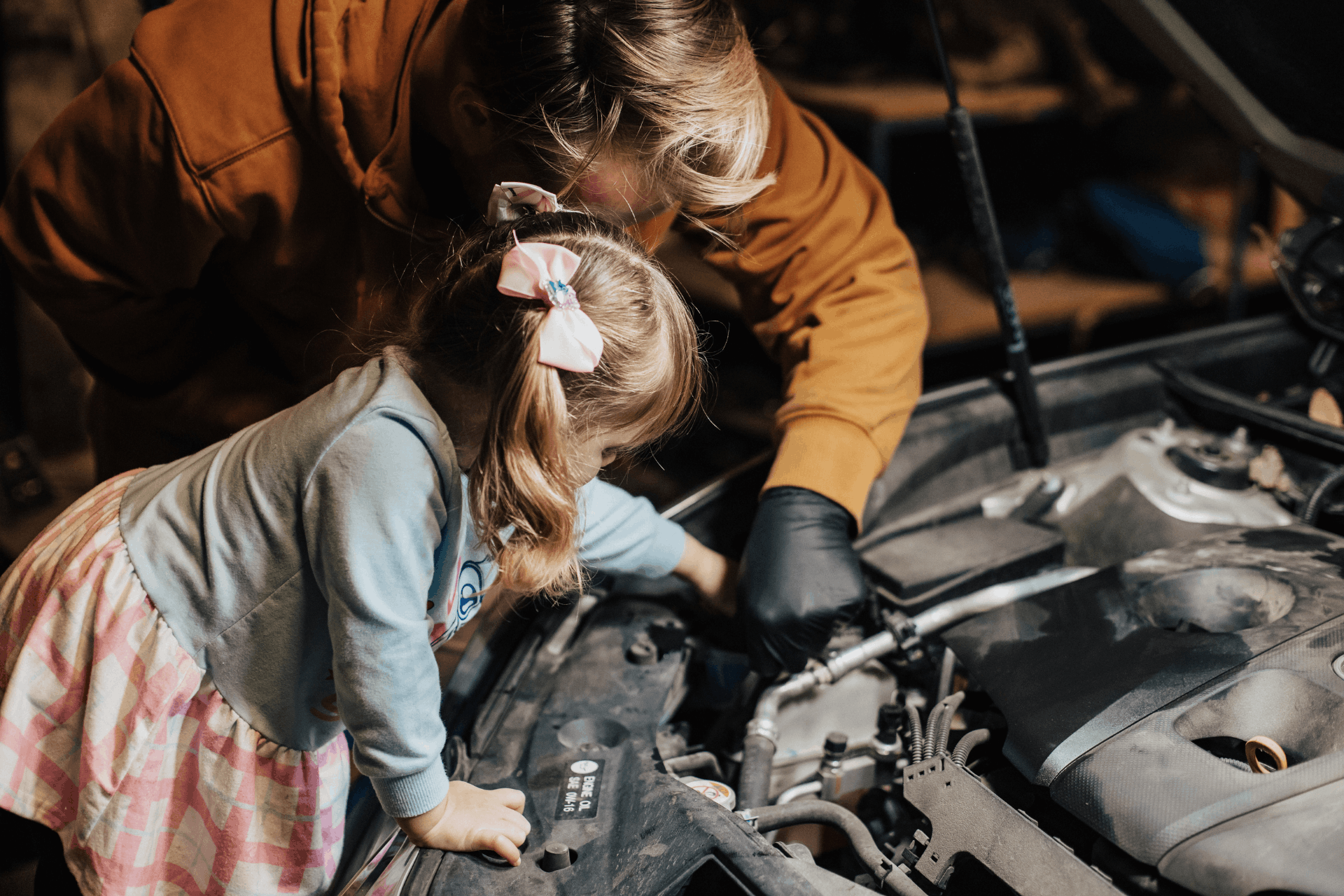
Here’s the good news: you don’t need to become a car expert or memorize a mechanic’s manual. You just need a simple car maintenance checklist and a garage that actually explains things instead of making you feel like you’re being upsold at every turn.
Here’s your routine vehicle maintenance checklist that keeps things running smoothly.
Monthly Car Maintenance Checklist: 5-Minute Checks
These are the quick little check-ins that take a few minutes but save you a whole lot of future drama. Think of it as the five-minute “how’s everyone doing?” conversation with your car.
Check Tire Pressure
Tires slowly lose pressure over time, especially when temperatures swing. When they’re low, your car works harder, your gas mileage drops, and steering can start to feel…a little questionable.
A quick pressure check once a month keeps everything rolling smoothly and helps your tires wear evenly instead of slowly turning into expensive rubber pancakes.
Look for Dashboard Warning Lights
Those little lights on your dashboard? They’re not decoration. They’re your car politely tapping you on the shoulder. Some mean “schedule maintenance soon.” Others are saying, “This one’s for real.” Either way, a quick check now can prevent a much more expensive conversation later.
Inspect Windshield Wipers and Washer Fluid
Visibility is one of those things you don’t think about until a rainstorm hits and suddenly you’re driving through a blurry watercolor painting.
Top off your washer fluid and make sure your wipers aren’t squeaking or streaking the windshield. If they are, swap them out. It’s one of the easiest upgrades your car will ever get.
Listen for New Noises
Your car has a normal rhythm. When that changes, it’s worth paying attention. A squeak or thunk doesn’t always mean disaster, but it is your car’s way of saying, “Hey, something’s different.” Catch those sounds early, and you usually avoid the big, dramatic repair later.
Check Your Oil Level
Oil is your engine’s lifeblood. It keeps all those fast-moving metal parts sliding smoothly instead of grinding together like a fork in a garbage disposal. A quick oil check takes about thirty seconds and can help catch leaks or low levels before they turn into engine trouble.
Keep Your Car Clean (Yes, It Matters)
This one surprises people, but a clean car actually lasts longer. Road salt and dirt nibble away at paint and metal over time. A regular wash protects the exterior and undercarriage - and plus, getting into a clean car just feels better.
Every 3–6 Months: Maintenance That Prevents Costly Repairs
This is where routine care really earns its keep. These small services keep everything balanced so your car keeps behaving itself.
Oil Changes
Most modern vehicles can go 5,000–7,500 miles between oil changes, but if you’re commuting daily or driving a lot, shorter intervals help. Either way, an oil change is one of the simplest ways to protect your engine from expensive wear.
Think of it like changing the water in a fish tank. Clean fluid, happy system.
Tire Rotation
Tires don’t wear evenly. Front tires, rear tires, turning, braking, it all creates slightly different pressure patterns.
Rotating your tires helps distribute that wear so they last longer and your car drives smoothly instead of wobbling like a shopping cart with a bad wheel. Most vehicles benefit from a rotation every 5,000–7,000 miles.
Replace Air Filters
Your engine air filter is basically your car’s lungs. It blocks dirt and debris from getting into the engine. When it gets clogged, your engine has to work harder, and fuel efficiency drops.
Replacing it periodically keeps everything breathing easy.
Battery Check
Car batteries don’t usually die dramatically. They slowly fade, which honestly is equally dramatic in its own way.
A quick battery test can spot early signs of weakness, so you’re not stuck turning the key on a random Tuesday morning and hearing nothing but a sad little click.
Brake Inspection
Brakes wear gradually, which means drivers often don’t notice until they’re really worn. Regular inspections make sure pads, rotors, and brake fluid are doing their job so your car stops exactly when it should. No surprises allowed.
Winter Car Maintenance Checklist
Cold weather can be tough on vehicles. Before winter settles in, it’s smart to check:
Tire Tread and Traction
Good tread helps your tires grip icy roads instead of sliding like socks on hardwood floors.
Battery Strength
Cold temperatures weaken batteries, which is why so many people discover their batteries are dying in January. Regular checks before and during winter help keep your battery alive and well.
Heater and Defroster Performance
Clear windows aren’t optional in winter. Make sure everything warms up the way it should.
Emergency Kit
Pack a blanket, flashlight, phone charger, and a small first-aid kit in your car. Hopefully you never need it, but if you do, you’ll be glad it’s there. Keep it year-round.
Summer Car Maintenance Checklist
Heat puts different stress on your car, especially during road-trip season. Before summer driving ramps up, check:
Air Conditioning Performance
Because sweating through your commute is not a personality trait anyone wants.
Coolant Levels
Coolant keeps your engine from overheating when temperatures climb.
Tire Wear
Hot pavement accelerates tire wear, so this is a good time to make sure everything still looks healthy.
Road Trip Readiness
If you’re heading out on a long drive, a quick inspection helps prevent roadside surprises.
Annual Car Care Checklist for Longevity
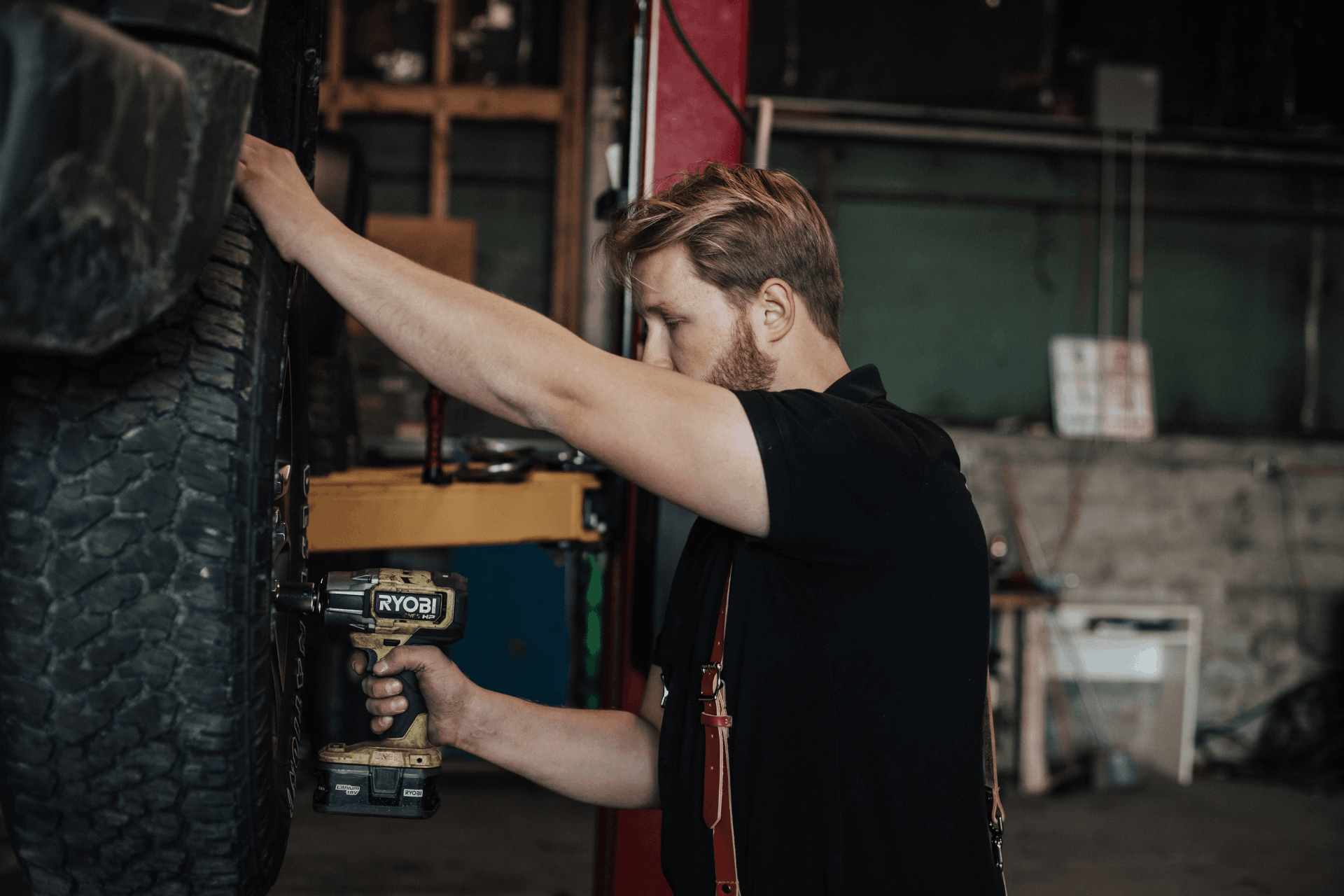
Once a year, your car benefits from a deeper checkup. Think of it like your vehicle’s yearly physical.
Full Vehicle Inspection
A comprehensive inspection looks at major systems like brakes, suspension, steering, and fluids. It’s the easiest way to catch issues that slowly creep up over time.
Fluid Flushes
Fluids break down as they age. Brake fluid, coolant, and transmission fluid may need replacement depending on your car and mileage. Fresh fluids keep systems running smoothly instead of slowly degrading.
Spark Plug Replacement
Spark plugs ignite the fuel that powers your engine. Depending on the vehicle, they typically need replacement somewhere between 30,000 and 100,000 miles.
Alignment Check
If your steering wheel isn’t straight or your car drifts slightly to one side, your alignment may be off. Alignments improve handling and prevent uneven tire wear.
Deep Interior and Exterior Clean
A thorough detailing helps preserve paint, upholstery, and interior materials. And yes, it’s also just nice to drive a car that feels fresh and cared for. You deserve that, and so does your car.
DIY Car Checks vs What a Mechanic Should Handle
Not everything requires a professional. Some maintenance tasks are quick and easy for most drivers.
Things Most Drivers Can Do Themselves
These are quick little checks that help you stay one step ahead of car drama:
Checking tire pressure
Topping off the washer fluid
Replacing windshield wipers
Checking oil levels
Visual inspections for leaks or wear
Things Best Left to a Mechanic
An honest mechanic will explain what’s happening and why, without making you feel like you’re sitting through a sales pitch.
Head to a trusted mechanic for:
Diagnostic scans
Brake repairs
Fluid flushes
Suspension or steering work
Engine repairs
Warning Signs Your Car Needs Maintenance
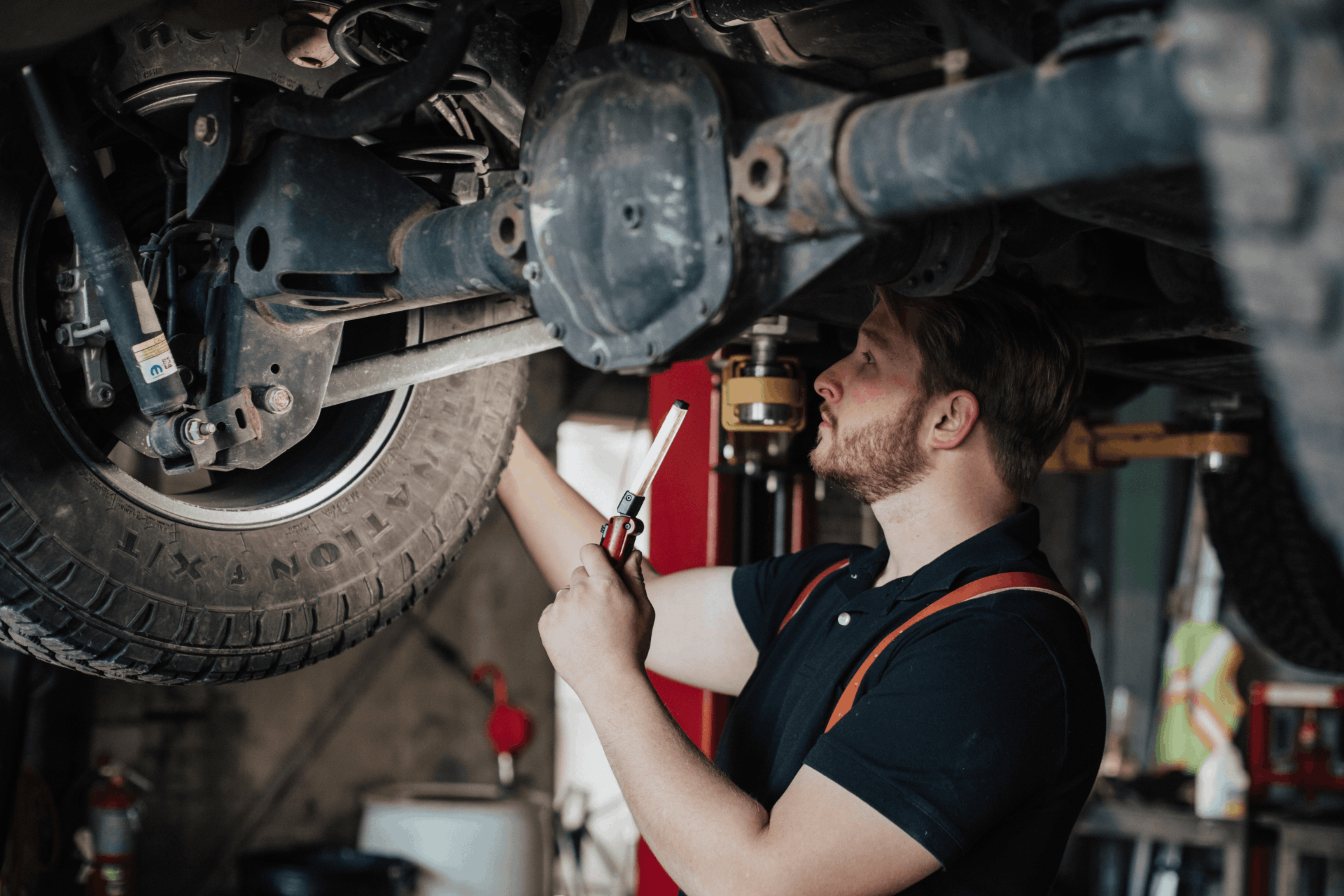
Cars are surprisingly good at dropping hints when something needs attention. To be clear, these signs don’t automatically mean something catastrophic. But they are your car’s version of clearing its throat and saying, “Can we take a look at this?” Common warning signs include:
New or unusual noises
Vibrations or shaking while driving
Poor braking performance
Dashboard warning lights
Burning smells
Sudden drops in fuel efficiency
How Penelope’s Garage Makes Car Maintenance Easy
Instead of remembering every item on a car maintenance checklist, our memberships mean we take care of this for you. It’s car care designed to feel clear and refreshingly supportive, like having a mechanic in your corner instead of across the counter. Our maintenance memberships help remove the guesswork by including:
Routine maintenance services
Predictable monthly pricing
Loaner vehicles when needed
Pick-up and drop-off options
Transparent labor rates
Absolutely zero pressure to upsell repairs
Frequently Asked Questions: Car Maintenance Checklists
What is the 30-60-90 rule for cars?
The 30-60-90 rule refers to major maintenance milestones at 30,000, 60,000, and 90,000 miles when key components like filters, fluids, spark plugs, and belts are typically inspected or replaced to keep your car running smoothly.
What regular maintenance should be done to my car?
Routine car maintenance usually includes oil changes, tire rotations, brake inspections, fluid checks, and filter replacements. Staying consistent with these basics helps prevent expensive repairs later.
What should be included on your daily maintenance checklist for your car?
Your quick daily check should include looking for dashboard warning lights, noticing unusual noises, checking tire appearance, and making sure lights and mirrors are working properly before driving.
What are the 4 C’s of mechanics?
The 4 C’s stand for Concern, Cause, Correction, and Confirmation, a method mechanics use to identify a problem, determine why it happened, fix it properly, and verify the repair solved the issue.
Stress-Free Car Care Starts Here

You don’t need to memorize every item on a car maintenance checklist. You just need a simple rhythm and a shop that treats you like a human instead of a walking invoice. Our memberships turn car care into something predictable, transparent, and refreshingly drama-free. Book your consultation today to see what supportive, easy car care looks like.