

You’re driving along when suddenly that little yellow tire pressure light pops up on your dashboard.
Here comes the mental gymnastics. “Is this serious? Can I keep driving? Am I about to get stuck on the side of the road?”
Take a breath. A tire pressure light on is a common dashboard warning, and usually, it’s not a big deal. Let’s break down what this light actually means, why it turns on, what to do, and when it’s time for a professional to take a look.
What Does It Mean When Your Tire Pressure Light Is On?
When your tire pressure light is on, your car’s Tire Pressure Monitoring System (TPMS) has detected that one or more tires may be under-inflated or over-inflated. AKA, the air pressure inside the tires isn’t where it should be.
Modern cars monitor tire pressure because properly inflated tires help with braking and tire lifespan. When that horseshoe-shaped icon with an exclamation point comes on, your car’s politely asking for a quick tire pressure check to keep things running smoothly.
Why Your Tire Pressure Light Turns On

Most of the time, there’s a simple explanation behind the warning.
Low Tire Pressure from Weather Changes
Temperature swings are the number one troublemaker. Cold air causes tire pressure to drop slightly, which means your tires can lose a few PSI overnight when the weather shifts, triggering a low tire pressure warning.
Slow Leak or Nail in the Tire
A small nail or puncture can cause air to escape slowly, like poking a balloon with a safety pin. The tire may still look normal, but the pressure gradually drops until the system notices. Sneaky, but very common.
Recent Tire Service
If your tires were recently rotated or replaced, the system may need a moment to recalibrate. The sensors will recognize the new tire positions and should sort themselves out after a short drive.
Faulty TPMS Sensor
TPMS sensors live inside the wheels, quietly monitoring pressure. Over time, they can wear out. When that happens, the tire pressure light may appear even if the tires are properly inflated.
Overinflation (Yes, that’s Bad Too)
That’s right, too much air can trigger the tire pressure warning light. Overinflated tires cause problems like reduced traction and possible blow-outs. Tires prefer balance, not extremes, and are surprisingly picky little divas about their PSI.
Is It Safe to Drive With the Tire Pressure Light On?
The answer depends on what the car feels like while you’re driving.
When It’s Usually Okay to Drive
If the car feels normal, you can usually drive a short distance to check the tires. Pull into a gas station, grab a gauge, and check the pressure. Often, the fix is simply adding air and moving on.
When You Should Pull Over
If the light appears and the car feels strange, it’s time to pull over safely. Watch for signs like a wobbly ride, heavy steering, or a tire that looks sad and slouchy. These signals suggest the tire is losing air quickly, and that’s your cue to stop and investigate.
Signs of a True Tire Emergency
If you hear a loud pop, feel sudden pulling while driving, or notice the car dropping sharply on one side, pull over. Once you’re stopped, avoid driving further. Driving on a flat can damage the wheel and make the repair more expensive. At that point, it’s time for roadside help or a tow.
4 Steps To Do Right Away When Your Tire Pressure Light Turns On
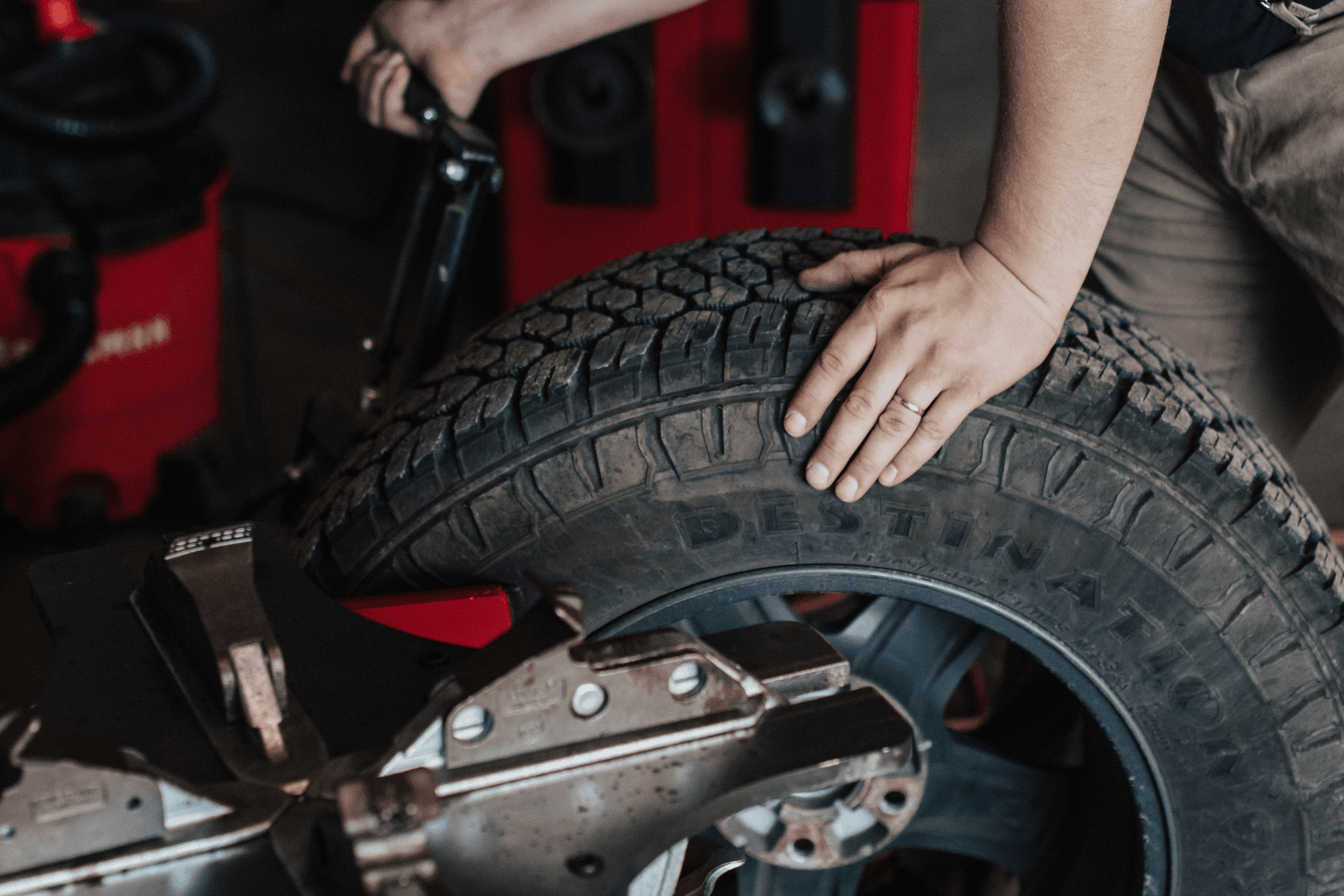
Seeing the light doesn’t equal panic mode. It just means your car is asking for a quick check-in.
Step #1: Inspect the Tires
Start with a simple walk-around. Look for obvious problems like a flat tire, a nail, or something else straight-up off about the wheels. Sometimes the problem’s practically waving at you.
Step #2: Check Tire Pressure
Use a tire gauge to measure each tire. Compare the numbers to your car’s recommended PSI. Even a few PSI below the recommended level can trigger the light.
Step #3: Inflate if Needed
If a tire is low, add air until it reaches the correct pressure. Nine out of ten times, this is all it takes. A quick refill and the light disappears. Boom.
Step #4: Drive a Few Miles
Many vehicles automatically reset the system after driving for a few minutes. If the light stays on, your vehicle may require a manual reset, but we’ll get to that.
How to Find the Correct Tire Pressure for Your Car
Here’s a mistake a lot of drivers make: looking at the number printed on the tire. That number is the maximum pressure, not the recommended pressure for your car.
Instead, check the sticker inside the driver-side door frame or your owner’s manual. That number is the sweet spot your car was designed to run on.
How to Reset the Tire Pressure Light
After inflating the tires, the system resets automatically once you drive for a few minutes. The sensors just need a little time to recognize that the pressure is back where it should be.
Some vehicles also include a manual TPMS reset button, usually under the steering wheel or inside the glove compartment. Your owner’s manual will show where to find it and whether it needs to be pressed after adjusting tire pressure.
If the light keeps returning, don’t keep resetting it. That warning could point to a slow leak or a sensor issue. Time to have a mechanic take a look instead of playing dashboard whack-a-mole.
Blinking vs. Solid Tire Pressure Light: What’s the Difference?
One small detail tells you a lot: whether the tire pressure light is blinking or solid.
Solid Tire Pressure Light
If the light turns on and stays solid, your car is telling you that one or more tires need a pressure check. It’s not an emergency, but check your tire pressure soon to keep things running smoothly.
Blinking Tire Pressure Light
If the light blinks for about a minute when you start the car and then stays on, your car may be warning you about a problem with the TPMS itself. That’s also not an emergency, but it is worth scheduling an appointment with your mechanic to get it fixed.
When It’s Time to Have a Mechanic Check Your Tires
Catching these small issues early is the difference between a quick fix and a day-ruining flat.
You should schedule a tire inspection with a trusted auto mechanic if:
The light keeps returning.
Something feels off when driving, like a wobbly ride or heavy steering.
One tire loses air repeatedly.
Pressure readings look inconsistent.
The TPMS sensor appears faulty.
How Penelope’s Garage Makes Tire Care Easier

At Penelope’s Garage, we take car maintenance off your plate. Tire pressure checks and vehicle inspections are built right into our membership services, so small issues get caught early before they turn into expensive repairs or inconvenient flats.
Instead of squeezing another errand into your week, you’ve got someone keeping an eye on your car and giving you a heads-up when it’s time for a quick check-in. It’s faster, easier, and one fewer task on your mental checklist, so you can get back to your day.
How to Prevent Tire Pressure Problems Before They Start
A few small habits can prevent most tire pressure warnings from ever popping up.
Check Tire Pressure Monthly
A quick monthly check keeps pressure in the safe range and helps your tires wear evenly. It takes less time than waiting in line for coffee.
Schedule Seasonal Inspections
Temperature changes affect tire pressure more than most drivers realize. Seasonal inspections help keep everything balanced when the weather shifts.
Don’t Ignore Slow Leaks
Slow leaks rarely make a dramatic entrance. They’re quiet little troublemakers. But catching them early prevents bigger tire issues later.
Frequently Asked Questions About Tire Pressure Lights
Why is my tire pressure light on if my tires are fine?
Tires can lose pressure gradually without looking visibly flat. Even a small PSI drop, often caused by temperature changes, can trigger the warning light.
Can I still drive with the tire pressure light on?
Yes, you can usually drive a short distance to check your tire pressure if the car feels normal. However, you should check the tires as soon as possible to avoid uneven wear or tire damage.
Can I still drive with a low-pressure tire?
You can typically drive a short distance to add air or reach a safe place to check the tire. Driving long distances with low pressure can damage the tire and reduce fuel efficiency.
How do I reset my tire pressure light?
Many vehicles reset automatically after the tires are inflated and the car is driven for a few minutes. Some cars require pressing a TPMS reset button found near the steering wheel or in the glove compartment.
How can I check my tire pressure?
Use a tire pressure gauge to measure the PSI in each tire and compare it to the recommended pressure listed on the driver-side door sticker or in your owner’s manual.
Keep Car Care Simple and Stress-Free

Most tire pressure warnings are quick fixes, not emergencies. And if you’d rather not think about warning lights or maintenance schedules at all, that’s exactly what we’re here for. Book a consultation today and take car care worries off your plate.