

You’re snuggled up and scrolling TikTok when that hot mechanic you follow pops up: “If you’re not switching to winter tires, you’re doing it wrong.” It’s pouring snow outside, and you flash back to that moment your car slid on ice for a second on the way to work. Is he right?
Now you’re wondering, “Do I need winter tires? Or are my all-season tires fine?” Don’t panic, sis. We’ve got the answer.
This guide breaks down all-season tires vs winter tires in plain English, so you can figure out what makes sense for your car, your driving habits, and your peace of mind (no viral advice required).
What Are All-Season Tires?
All-season tires are tires designed to handle a mix of dry roads, rainy days, and light winter conditions without needing a seasonal swap. They aim for balance, not extreme grip or performance. Just steady, reliable, middle-of-the-road coverage, like your go-to foundation.
Pros of All-Season Tires
All-season tires are so convenient. One set, all year. They also last longer. The rubber is tougher, built to handle warmer temps without wearing down too fast. For many drivers, the question of all-season tires vs winter tires comes down to this simplicity.
Limitations of All-Season Tires
Here’s the catch: when temperatures drop, so does pressure and performance (which is probably why your tire pressure light is on). The rubber stiffens like a frozen yoga mat. Traction fades. Braking distance stretches. And suddenly, those “all-season” tires feel a little too iffy in real winter conditions.
What Are Winter Tires?
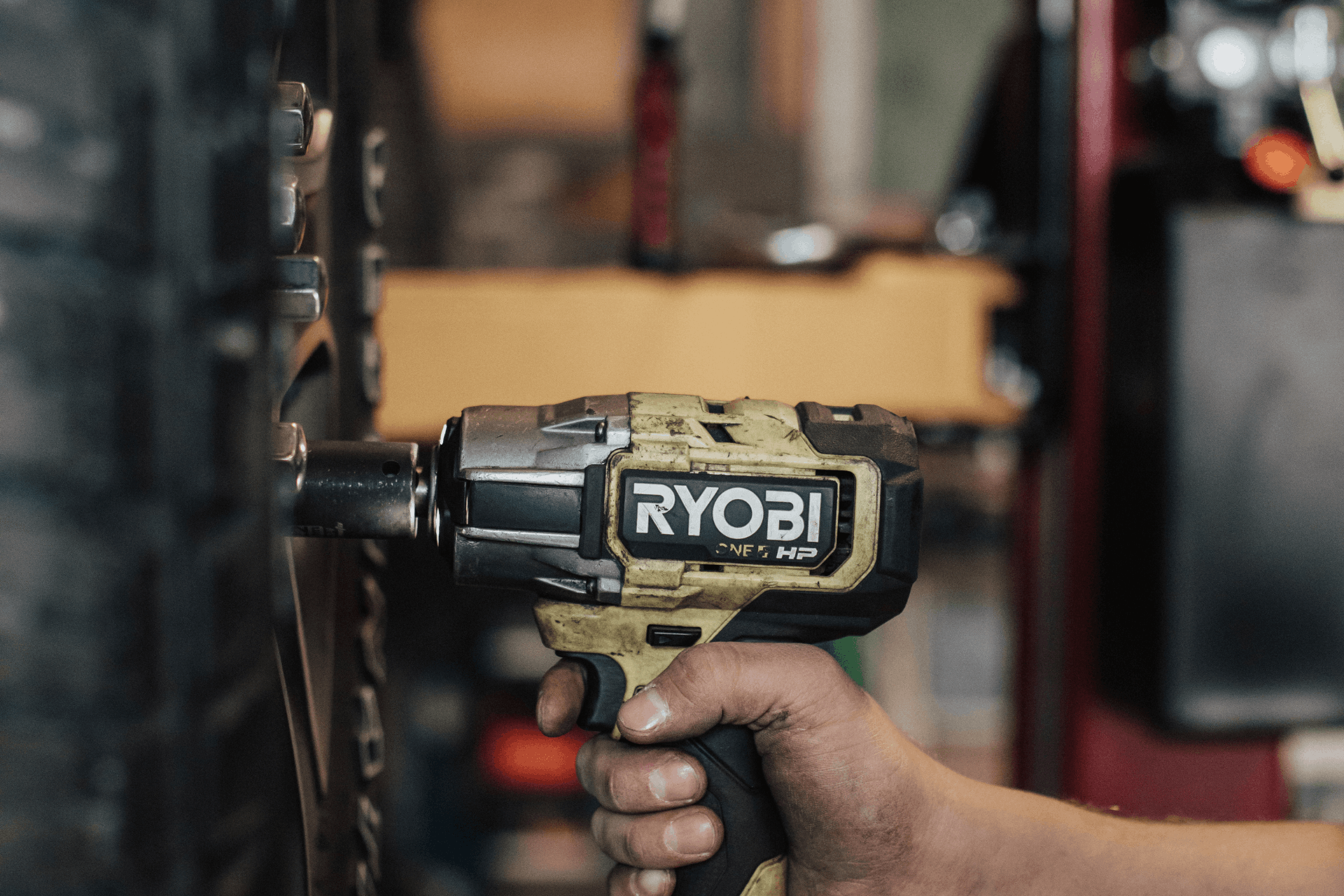
Winter tires are tires specifically built for cold and snowy conditions. Not “chilly,” cold. They use softer rubber compounds that stay flexible when temperatures dip below 45°F. That flexibility is everything when it comes to grip.
Pros of Winter Tires
Winter tires bite into snow and ice like they mean it. Deeper grooves and more edges mean better traction when roads get messy. They also stop faster. When it comes to all-season tires vs winter tires, stopping distance is where winter tires win out.
Limitations of Winter Tires
They’re seasonal, which means switching them out when temps rise. Boo, chores. They also require storage space when they’re off your car, which is a hassle if you’re already tight on room. And if you don’t switch them out, they’ll wear much faster in the warm weather.
Key Differences Between All-Season and Winter Tires
When looking at the difference between winter and all-season tires, it comes down to how they behave when things get cold and slick.
Rubber Compound
All-season tires harden in the cold. Winter tires stay soft and flexible. That one difference changes everything about how your car grips the road when temperatures plummet.
Tread Pattern
Winter tires have deeper grooves and more biting edges. Think claws vs. smooth soles. All-season tires are fine for light snow, but not built to dig in.
Traction in Snow and Ice
This is where all-season tires vs winter tires becomes a safety conversation. Winter tires grip even in snow and ice. All-seasons slide more easily. It’s that simple.
Braking Distance
Winter tires stop shorter. Period. And when the car in front of you hits the brakes on an icy road, those extra few feet matter more than anything.
Are Winter Tires Worth It in Ohio?
Columbus winters get cold and snowy enough that winter tires are worth considering. But when it comes to the right tire choice for you, the answer depends on how you drive.
If you’re dealing with a daily commute, early mornings, and side streets that don’t get plowed right away, winter tires start making a lot more sense. They’re the best tires for snow driving for a reason.
If you’re more of a “short drives only” girly, you mostly stick to main roads, and you feel safe with the tires you’ve got, then your answer to the question “are winter tires worth it?” is a simple “not for me.” No need to add it to your car maintenance checklist.
When Should You Switch to Winter Tires?
There’s a simple rule: 45°F. When temperatures consistently drop below that, winter tires start doing their best work. Not because of snow, but because of the constant cold. In the all-season tires vs winter tires debate, temperature matters just as much as weather.
Can You Use All-Season Tires in Winter?
Yes, you can use all-season tires in winter, and plenty of drivers do. But the all-season tires vs winter tires debate isn’t about “can”. It’s about what keeps you confident and safe behind the wheel.
All-season tires are built to handle light winter conditions. But when things get slick, winter tires give you more control and grip, aka more peace of mind. If you’re on the roads a lot in the colder months, they could be the difference between a stressful winter and a calm one.
The Penelope’s Garage Difference
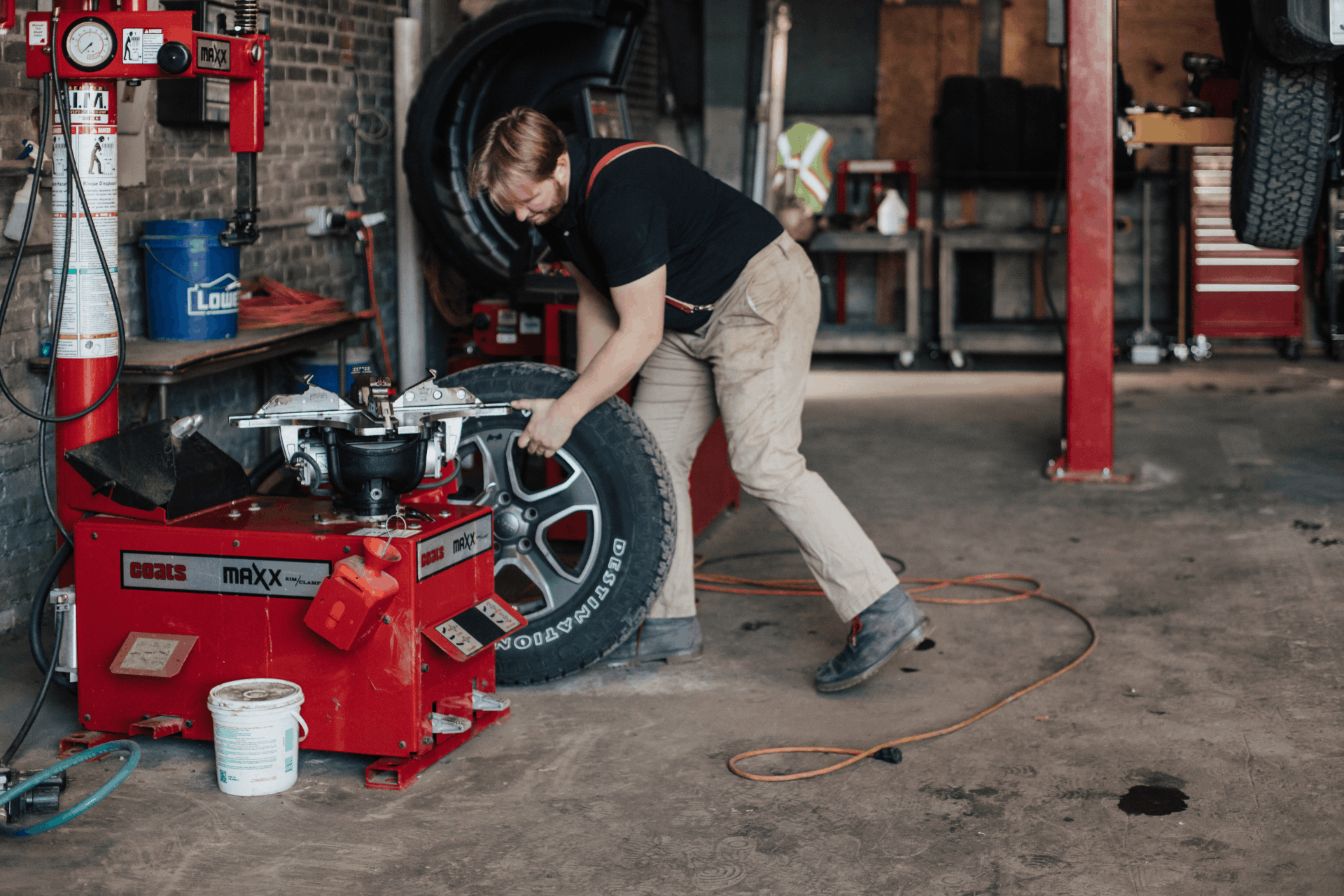
Winter tires vs. all-season tires shouldn’t feel like a guessing game. At Penelope’s Garage, we walk you through which tires are right for you without the pressure or “you need this right now” energy.
We look at how you drive, where you drive, and what your winters actually look like to guide you toward the safest, smartest option. And with our membership model, maintenance is built into your car subscription services, so your ride stays taken care of without extra effort on your part.
We’re honest mechanics you can trust to tell you what you need, what you don’t, and why. No upsells. No jargon-as-a-weapon. Just straightforward guidance that keeps you rolling with confidence.
Frequently Asked Questions About Winter Tires
Are all-season tires as good as winter tires?
Not in true winter conditions. When comparing all-season tires vs winter tires, winter tires provide better traction, control, and shorter stopping distances in cold, snow, and ice.
Can I drive in the snow with all-season tires?
Yes, especially in light snow. But in heavier snow or icy conditions, all-season tires vs winter tires becomes a safety difference. Winter tires give you significantly better grip and control.
What is the 3 tire rule?
It’s a myth. You should always replace tires in pairs or full sets when possible, because uneven tire wear affects handling, traction, and overall safety. Mismatched tires also put unnecessary strain on your drivetrain over time.
Is it OK to use winter tires in the summer?
No, it’s not recommended. Winter tires wear down much faster in warm weather and won’t perform as well, shortening their lifespan. You’ll also lose some handling precision on dry, hot roads.
Do you burn more gas with winter tires?
Slightly, yes. The softer rubber creates a bit more rolling resistance, but the trade-off in safety during winter conditions is usually well worth it. Most drivers won’t notice a major difference in day-to-day fuel costs.
Ready to Prepare Your Car for Winter Driving?

If you’ve ever felt unsure driving in snow or wondered if your tires are really up for an Ohio winter, we’ve got you. At Penelope’s Garage, we’ll help you pick the right tire choice for your lifestyle, and offer ongoing support through our membership so you’re never guessing.
Book your appointment today to become a member.