
You’ve heard it before. Rotate your tires. Cool. But how often, really? And is it one of those “nice-to-do” things, or more of a “you’ll really regret skipping this” situation?
In this guide, we’ll break down exactly how often to rotate tires, why it matters, and how to spot when your tires need attention, so you can give them the TLC that keeps them working harder, longer.
How Often Should You Rotate Your Tires?
If you’re wondering how often to rotate tires, the answer is every 5,000 miles.
That tire rotation schedule lines up almost perfectly with oil changes. Same visit, same timing, zero extra mental energy. So if you’ve ever asked yourself how often tires should be rotated, just tie it to your oil change and call it a win.
Driving habits, vehicle type, and road conditions tweak that number slightly. But if you stick close to that range, you’re doing your tires, your future self, and your wallet a big favor.
Why Tire Rotation Matters for Your Car (and Wallet)
Keeping up with when to rotate tires is one of the simplest, smartest ways to protect your ride and your wallet all at once.
Even Wear, Better Ride
Why rotate tires? Because they don’t wear evenly on their own. They’re dramatic little divas - just ask your constantly-on tire pressure light. Without rotation, some wear down faster than others, which throws off your ride and your traction.
Rotating them keeps things balanced. Think of it like rotating your mattress: same idea, just less cozy and more rubbery.
Longer Tire Life
If you’ve ever looked up how often to rotate tires, chances are you’re also trying to avoid buying new ones too soon. Rotations stretch the life of your tires. Skip them, and you’re basically fast-forwarding to your next tire purchase.
Better Performance & Efficiency
Even wear means better grip, smoother handling, and better fuel efficiency. It’s one of the easiest ways to keep your car feeling steady and safe without doing anything complicated.
What Actually Happens During a Tire Rotation

Think of a tire rotation as a quick tune-up that keeps your car balanced and a step ahead of bigger problems.
Moving Tires to New Positions
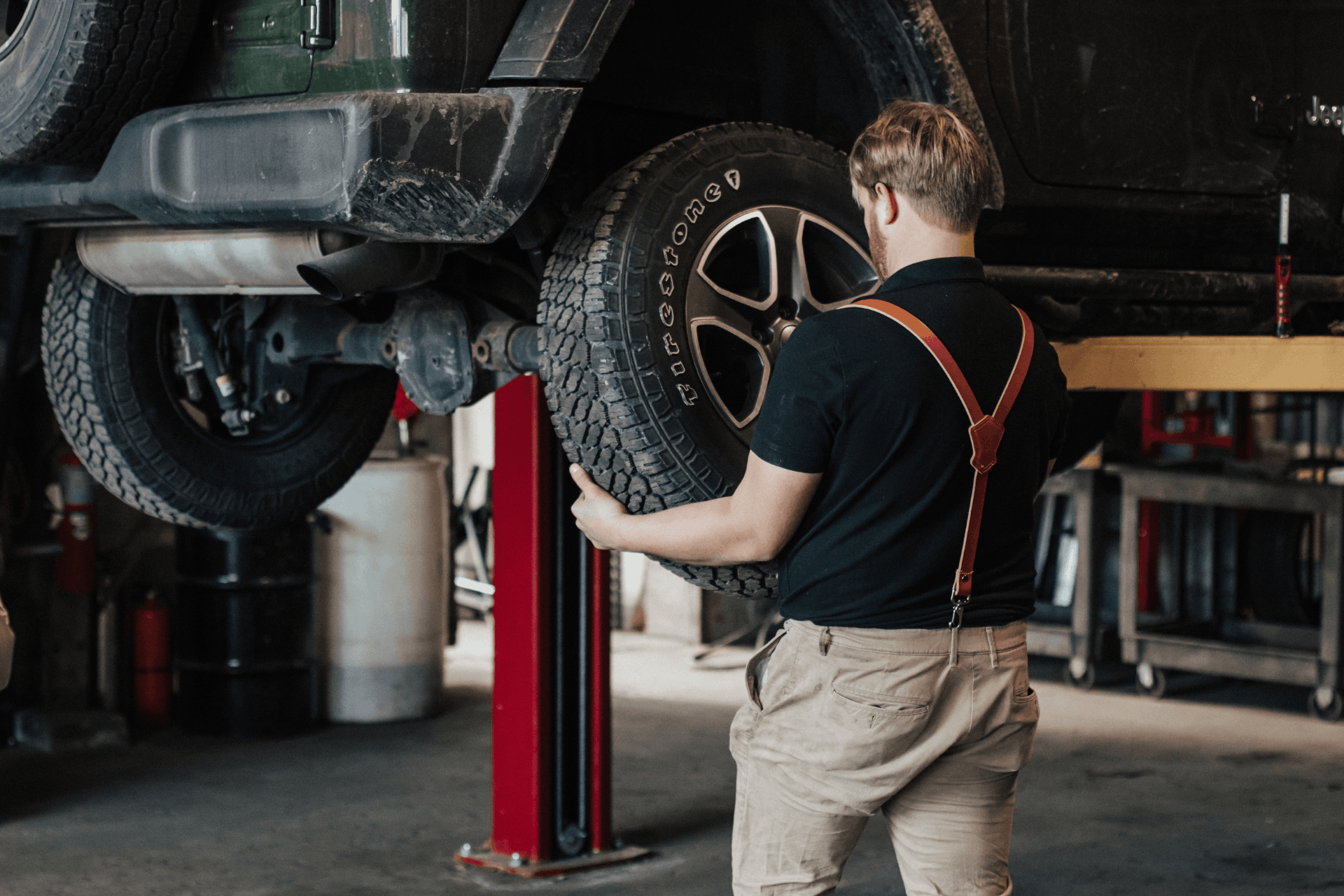
Your tires get repositioned based on your vehicle’s drivetrain. Front to back, side to side, sometimes a crisscross pattern. It’s like musical chairs, but for your wheels. This shift evens out wear, so no single tire takes all the heat.
Checking Tire Condition
A good mechanic doesn’t just rotate and run. They check tread depth, tire pressure, and look for anything sus. Tiny problems get caught early, and big problems never get the chance to show up uninvited.
Resetting the System
If your car has a Tire Pressure Monitoring System, it’ll get reset so everything reads correctly after the rotation. It’s easy-peasy and part of doing things right.
Why Your Tires Wear Unevenly
How tires wear depends on how your car moves and handles on the road.
Front-Wheel Drive
Your front tires do most of the work: steering, accelerating, and braking. So they wear faster. Period. That’s why understanding how often to rotate tires helps give the harder-working ones a break before things get ugly.
Rear-Wheel Drive
In rear-wheel drive, the back tires take the pressure. Different setup, same story: uneven wear if you skip rotations. The switcheroo gets the burden evened out.
All-Wheel Drive
All four tires are working overtime. That means more balanced wear, but also less room for error. These systems are picky, and uneven wear causes bigger issues.
4 Signs Your Tires Need Rotation
Sometimes your car doesn’t wait for your mileage tracker. It drops hints instead. If you’re unsure how often to rotate tires, these signs will let you know you’re due.
Sign #1: Uneven Tread Wear
Run your hand across the tire. Feel dips or differences? That’s your cue. Tires should wear evenly across the surface. If one edge feels smoother than the other, your tires aren’t sharing the workload as they should.
Sign #2: Vibrations While Driving
If your steering wheel starts doing a subtle shimmy-shake, it’s likely your tires are wearing unevenly. This often shows up at higher speeds and feels like a light wobble that wasn’t there before. It’s your car’s way of saying something’s slightly off balance.
Sign #3: Reduced Traction
Less grip in rain or turns? That’s not your imagination. Uneven tires can’t grip the road properly, which makes stopping distances longer and handling less predictable, especially in wet or slick conditions.
Sign #4: Tire Noise
A low hum or roar that wasn’t there before? That’s your tires talking. You should listen. Uneven wear creates a droning sound that gets louder as you drive. It’s subtle at first, but once you notice it, you can’t un-hear it.
What Happens When You Ignore Tire Rotation
According to the NHTSA, tire problems contribute to over 11,000 crashes in the US annually.
Skipping rotations might not feel urgent. But the consequences add up. Your tires wear out faster. Your ride gets rougher. Your traction drops. And then you’re replacing tires way sooner than you and your budget expected.
Ignoring how often to rotate tires is one of those small decisions that quietly turns into a big bill. A simple rotation now is a lot cheaper than a full set of tires later. We promise, sis.
How Tire Rotation Saves You Money
Tire rotations aren’t just a box to check on your car maintenance checklist. They’re money management for your car. Stay on top of how often to rotate tires, and you stretch every mile out of your current set. More life, fewer surprise expenses.
It’s how you avoid replacing one, or two, or all four before you get your money’s worth out of them. That’s why rotation now beats replacement later. Every time.
The Penelope’s Garage Difference
Keeping track of how often to rotate tires sounds simple until life gets busy, and suddenly it’s been a year. That’s where we come in.
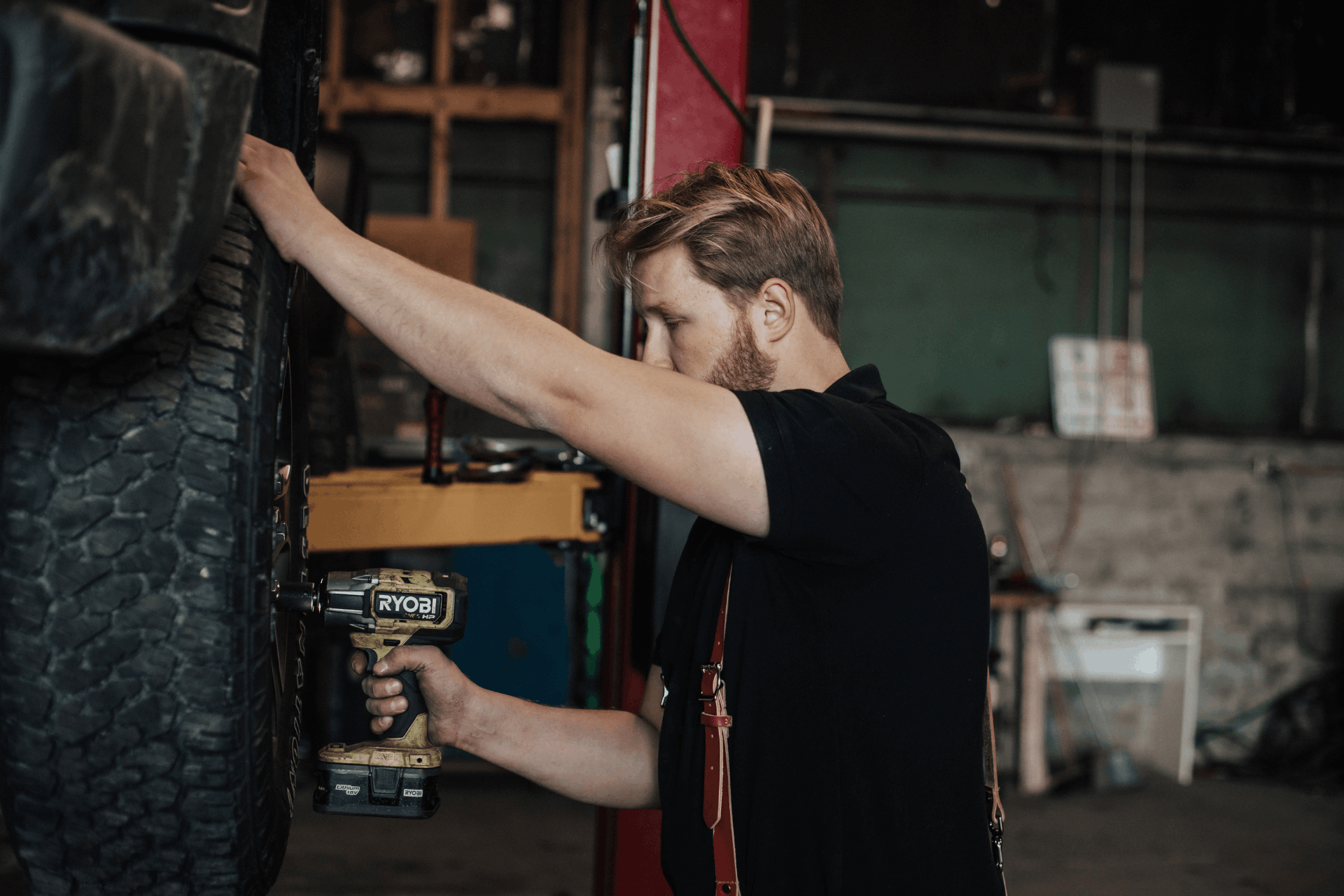
At Penelope’s Garage, tire rotations are built into our membership model. We keep track of timing, mileage, and maintenance so you don’t have to. No guessing or panicked moments of “Wait, when was my last one?”
Our car subscription services mean we handle the details, catch small issues early, and make sure your car stays safe and steady, without turning your schedule upside down. That’s auto care you can trust.
How Often to Rotate Tires: Frequently Asked Questions
Is it ok to rotate tires every 10,000 miles?
No, that’s usually longer than recommended. Most vehicles need rotations every 5,000 miles, so waiting until 10,000 miles leads to uneven wear. If you’re unsure how often to rotate tires for your car, check your manual or ask your mechanic.
What is the 3 tire rule?
It’s a bit of a myth. The real rule is that all four tires should wear evenly and stay within a similar tread depth. Replacing or rotating in uneven sets affects handling, especially on all-wheel drive vehicles.
Should you rotate your tires at every oil change?
Often, yes. Many oil change intervals line up nicely with how often to rotate tires, which makes it an easy habit to stack together. It keeps things consistent and helps you avoid forgetting.
How long does a tire rotation take?
Most tire rotations take about 20–30 minutes. It’s a quick service, especially when it’s done alongside an oil change or inspection.
Ready for Simple, Stress-Free Tire Care?

If you’ve been wondering how often to rotate tires and keep putting it off because it feels like “one more thing,” you’re not alone. Bring your car to Penelope’s Garage, and we’ll handle it clearly and honestly, without the runaround. Book your appointment and become a member today.